Levitra: Das Beste Medikament Gegen Erektionsstörungen


Levitra ist eines der beliebtesten Medikamente zur Behandlung von Erektionsstörungen. Es gehört zur Gruppe der PDE5-Hemmer und wird häufig als eine der wirksamsten Lösungen für Männer empfohlen, die mit Erektionsstörungen kämpfen. Das Medikament wirkt, indem es den Blutfluss zu den geschlechtsorganen verbessert, was es dem Betroffenen ermöglicht, eine Erektion zu erreichen und aufrechtzuerhalten, wenn er sexuell erregt ist. Dieses Potenzmittel hat sich in vielen Erfahrungsberichten als sehr effektiv erwiesen und wird von vielen Männern bevorzugt, da es in der Regel schnell wirkt und relativ wenige Nebenwirkungen hat.

Ein großer Vorteil von diesem Potenzmittel ist seine stabile Wirkdauer. Im Vergleich zu anderen Medikamenten, wie zum Beispiel Viagra, wirkt Levitra meist innerhalb von 30 bis 60 Minuten und bleibt bis zu 5 Stunden wirksam. Das bedeutet, dass Männer während dieser Zeit eine Erektion aufrechterhalten können, was die sexuelle Aktivität verbessert und dem Betroffenen eine größere Sicherheit verleiht. Im Gegensatz zu anderen Potenzmitteln kann Levitra online bestellen auch von Personen eingenommen werden, die bereits unter bestimmten gesundheitlichen Erkrankungen leiden, wie etwa Zuckerkrankheit oder Hypertonie. Dennoch sollte es nur nach Rücksprache mit einem Arzt verwendet werden, um mögliche Risiken oder Wechselwirkungen mit anderen Medikamenten zu vermeiden.

Potenzmittel ist eine sehr beliebte Option zur Behandlung von Potenzproblemen, aber wie bei jedem Medikament gibt es auch einige Nebenwirkungen, die auftreten können. Zu den häufigsten Nebenwirkungen gehören Kopfschmerzen, Schwindel, Hitzewallungen, verstopfte Nase und Verdauungsstörungen. In sehr seltenen Fällen können schwerwiegendere Nebenwirkungen wie Sehstörungen oder eine schmerzhafte Erektion auftreten, die sofortige ärztliche Hilfe erfordern. Daher ist es wichtig, die Einnahme von diesem Medikament genau zu befolgen und im Falle von unerwünschten Nebenwirkungen sofort einen Arzt zu konsultieren. In den meisten Fällen sind die Nebenwirkungen jedoch mild und klingen nach kurzer Zeit ab.

Potenzmittel hat sich auch als sehr effektiv bei der Behandlung von psychogenen Erektionsstörungen erwiesen, die durch Stress, Depressionen oder andere psychische Probleme verursacht werden. In diesen Fällen kann Levitra helfen, den Blutfluss zu den geschlechtsorganen zu fördern, wodurch eine Erektion ermöglicht wird, selbst wenn psychologische Faktoren eine Rolle spielen. Allerdings wird empfohlen, auch die zugrunde liegenden psychologischen Probleme anzugehen, um langfristig eine vollständige Heilung zu erreichen.

Ein weiterer Vorteil von diesem Medikament ist die Tatsache, dass es in verschiedenen Stärken erhältlich ist, darunter 5 mg, 10 mg und 20 mg. Diese Anpassungsfähigkeit ermöglicht es dem Arzt, die richtige Dosis basierend auf den individuellen Bedürfnissen und dem Gesundheitszustand des Patienten zu wählen. Die übliche Einnahme von diesem Medikament liegt bei 10 mg, jedoch kann der Arzt je nach Erfolg des Patienten die Dosis erhöhen oder verringern.

Levitra ist eine äußerst wirksame Option für Betroffene, die unter Potenzproblemen leiden, und es bietet viele Vorteile in Bezug auf Wirkung und Dauer. Es ist jedoch wichtig, sich daran zu erinnern, dass es nur ein Teil der Lösung ist. Eine gesunde Lebensweise, einschließlich einer ausgewogenen Ernährung, regelmäßiger Bewegung und dem Verzicht auf übermäßigen Alkohol- oder Tabakkonsum, kann die Wirkung von Levitra zusätzlich verbessern. Darüber hinaus sollten Männer, die mit Potenzproblemen zu kämpfen haben, immer einen Arzt oder Fachmann konsultieren, um die zugrunde liegende Ursache zu identifizieren und sicherzustellen, dass das Potenzmittel sicher und geeignet ist.

Zusammenfassend lässt sich sagen, dass Potenzmittel eine ausgezeichnete Wahl für Männer sein kann, die unter Potenzproblemen leiden. Es bietet schnelle Ergebnisse mit relativ wenigen Nebenwirkungen, wenn es richtig angewendet wird. Doch wie bei jedem Medikament sollte es mit Vorsicht und unter ärztlicher Anleitung verwendet werden, um die bestmöglichen Ergebnisse zu erzielen.

Orising Composition D: La Composizione Innovativa Per Capelli Vitali


I prodotti brae è una marca di prodotti efficaci pensata per trattare i capelli. Se soffri di problemi con la caduta dei capelli o desideri semplicemente avere capelli più forti, Orising sono ciò di cui hai bisogno. Grazie alla loro formula avanzata, questi prodotti offrono una risultato efficace e naturale per chiunque desideri migliorare la salute dei propri capelli.

Orising Composition D: Una formula avanzata per capelli sani

Uno dei prodotti di punta di Orising è la formulazione Composition D, che è progettata per potenziare i capelli fragili e combattere la perdita dei capelli. Grazie alla sua composizione avanzata, che include ingredienti naturali, questo trattamento aiuta a stimolare la crescita dei capelli, rendendoli più resistenti e salutari.

Maschera al Cocco Orising: Un trattamento approfondito per chiome setosi e morbidi

Un altro prodotto che ha riscosso un grande successo è la maschera al cocco di Orising. Questo intervento è progettato per offrire idratazione profonda ai capelli, specialmente a quelli disidratati. L’olio di cocco, noto per le sue proprietà nutrienti, rende i capelli lucidi e facili da gestire. Utilizzandola regolarmente, i tuoi capelli appariranno più forti e senza crespo.

Orising Cocco: Un trattamento nutriente per capelli danneggiati

Orising al Cocco è un prodotto che offre una nutrizione intensa per i capelli. Se hai i capelli sottili, l’uso del trattamento al cocco ti aiuterà a rinforzare la loro forza, donando loro vitalità e brillantezza. Questo trattamento naturale è perfetto per chi cerca una soluzione naturale per la cura dei propri capelli.

Orising contro la perdita dei capelli: Il sistema completo per fermare la caduta

Orising contro la perdita dei capelli è un trattamento progettato per chi soffre di problemi con la perdita dei capelli. Utilizzando prodotti come shampoo specifici, il sistema aiuta a promuovere la crescita dei capelli e a rinforzare quelli esistenti. Con l’uso regolare, noterai una migliore densità capillare e una riduzione della caduta.

Hair Loss System: Un sistema completo contro la perdita di capelli

Il Hair Loss System di questi prodotti è una soluzione completa pensata per trattare i capelli che tendono a cadere. Combinando diverse formulazioni come shampoo e lozioni mirate, questo sistema è efficace per chi cerca una risposta globale al problema della caduta.

Protezione colore Helianthi’s: Cura per capelli colorati

Se hai i capelli colorati, la protezione colore Helianthi’s è la soluzione ideale per mantenere il tono brillante e protetto. Questo trattamento aiuta a preservare la vivacità del colore, prevenendo che i capelli diventino opachi. La formula innovativa è arricchita con ingredienti nutrienti che non solo proteggono il colore, ma migliorano anche la condizione complessiva dei capelli.

Orising Shampoo Caduta: Un trattamento per capelli in caduta

Lo shampoo Orising Caduta è un prodotto formulato per combattere la caduta dei capelli. Grazie agli ingredienti potenti, questo shampoo aiuta a rinforzare i follicoli piliferi e a migliorare la salute del cuoio capelluto. Utilizzando Orising Shampoo Caduta, noterai che i tuoi capelli appaiono più sani e resistenti alla caduta.

Shampoo Calmorising: Il shampoo per il cuoio capelluto sensibile

Lo Shampoo per cuoio capelluto sensibile è stato formulato per lenire e proteggere il cuoio capelluto irritato. Se soffri di prurito o sensibilità, questo shampoo è perfetto per alleviare i disagi. Grazie alla sua composizione delicata, offre una pulizia gentile senza causare danni o irritazioni.

Orising Antiforfora Shampoo: Trattamento mirato contro la forfora

L’Shampoo Orising Antiforfora è un trattamento specializzato per combattere la forfora. Grazie alla sua formula antibatterica, aiuta a ridurre la forfora e a preservare il cuoio capelluto sano e equilibrato.

Conclusione: I prodotti Orising offrono una cura completa per la salute dei capelli

I prodotti Orising offrono una gamma completa di trattamenti per ogni tipo di problema legato ai capelli, dal trattamento della caduta dei capelli alla protezione dei capelli colorati. Grazie a formulazioni naturali, i prodotti Orising sono una scelta eccellente per chi desidera chiome più sani, forti e luminosi. Non importa quale sia il tuo obiettivo, Orising ha una soluzione perfetta per te.

Levitra Plus Ihre Effekte Auf Deine Leistung: Echte Erfahrungen


Levitra ist ein weit verbreitetes Medikament zur Behandlung der erektilen Dysfunktion bei männlichen Patienten und gehört zur Gruppe der Phosphodiesterase-5-Hemmer. Diese Wirkstoffklasse umfasst auch andere bekannte Präparate wie Viagra und Cialis, doch Levitra zeichnet sich durch einige besondere Merkmale aus, die es für viele Männer zu einer bevorzugten Wahl machen. Der Wirkstoff in Levitra ist der aktive Inhaltsstoff Vardenafil, ein hochwirksames Mittel, das die Durchblutung im Genitalbereich fördert und dadurch eine stabile Erektion unterstützt. Dieses Medikament wird in Tablettenform angeboten und ist in unterschiedlichen Dosierungen verfügbar, sodass es je nach individueller Verträglichkeit dosiert werden kann. Vor der Einnahme von Levitra ist es jedoch empfohlen, sich ärztlich abzusichern, um die optimale Dosierung zu finden und potenzielle Nebenwirkungen auszuschließen.

Die Effekte von Levitra setzt in der Regel etwa 25 bis 60 Minuten nach der oralen Aufnahme ein, wobei die genaue Zeit von verschiedenen Faktoren beeinflusst wird, darunter der persönliche Metabolismus und die Nahrungsaufnahme. Es wird oft angeraten, die Pille auf leeren Magen zu konsumieren, da eine fettreiche Mahlzeit die Aufnahme des Wirkstoffs verlangsamen kann. Sobald Levitra seine Wirkung entfaltet, kann die Erektion über einen Zeitraum von bis zu mehreren Stunden unterstützt werden, sofern eine Erregung vorhanden ist. Dies bedeutet, dass Levitra nicht von selbst eine Erektion auslöst, sondern nur die physiologischen Bedingungen verbessert, um eine libidinöse Stimulation in eine stabile Erektion zu überführen.

Ein wesentlicher Vorteil von Levitra im Vergleich zu alternativen Potenzmitteln ist seine relativ geringe Anfälligkeit für Interaktionen mit Speisen und Alkohol. Während beispielsweise Grapefruitsaft und Spirituosen in großen Mengen dennoch vermieden werden sollten, weil sie die Wirkung beeinflussen oder unerwünschte Reaktionen verstärken können, gilt Levitra als gut verträglich. Dennoch kann es wie jedes Medikament Nebenwirkungen hervorrufen. Zu den am meisten verbreiteten gehören Kopfschmerzen, Hitzewallungen, verstopfte Nase und Magen-Darm-Beschwerden. In Ausnahmefällen können auch schwerwiegendere Nebenwirkungen vorkommen, darunter visuelle Beeinträchtigungen, Schwindel oder kardiovaskuläre Beschwerden. Besonders bei Patienten mit kardiologischen Problemen oder Bluthochdruck ist daher eine medizinische Rücksprache zwingend erforderlich.

dieser Versandapotheke ist nur auf Rezept beziehbar, da es sich um ein verschreibungspflichtiges Medikament handelt. Dies dient nicht nur dem Schutz des Patienten, sondern stellt auch sicher, dass die Anwendung unter medizinischer Aufsicht erfolgt. Die richtige Menge und Einnahmeweise spielen eine wesentliche Rolle für die Gesundheit und Effektivität der Therapie. In den letzten Jahren hat sich Levitra als zuverlässiges und gut erforschtes Mittel gegen erektile Dysfunktion durchgesetzt, das vielen Männern ein erfüllteres Sexualleben erleichtert. Dennoch sollte es nicht als Wundermittel betrachtet werden, da erektilen Dysfunktion oft auch psychologische oder lebensstilbedingte Ursachen hat, die zusätzlich therapiert werden sollten. Eine aktive Gesundheitspflege mit ausreichend Bewegung, gesunder Kost und der Vermeidung von übermäßigem Alkohol- und Rauchen kann ebenfalls dazu beitragen, die sexuelle Gesundheit dauerhaft zu stärken.

Cardiology: A Comprehensive Guide to Heart Health and Advancements in Treatment

Cardiology is the branch of medicine that focuses on the diagnosis, treatment, and prevention of heart-related conditions. The heart is often referred to as the "engine" of the body, as it is responsible for circulating blood throughout the body, delivering oxygen and nutrients to organs, tissues, and cells. Given the vital role it plays, it’s no wonder that cardiovascular diseases remain a leading cause of death worldwide. As the science of cardiology evolves, treatments and technologies have advanced, offering new hope to those at risk or suffering from heart disease. In this article, we’ll explore the essential aspects of cardiology, common heart diseases, and the latest breakthroughs in heart disease prevention and treatment.

The Role of the Heart in the Body

The heart is a muscular organ roughly the size of a fist and is located in the chest, slightly to the left. It consists of four chambers: two atria (upper chambers) and two ventricles (lower chambers). The heart's primary function is to pump blood throughout the circulatory system. Oxygenated blood is pumped from the left ventricle to the body, while deoxygenated blood returns to the right side of the heart and is sent to the lungs for oxygenation.

The heart beats around 70 times per minute at rest, circulating blood through the arteries, veins, and capillaries, ensuring that all organs and tissues receive adequate oxygen and nutrients. Given this constant activity, the heart requires careful monitoring and protection to prevent the onset of diseases that can compromise its function.

Common Heart Diseases

Heart disease encompasses a variety of conditions that affect the heart's structure, function, or blood vessels. The most prevalent heart diseases are as follows:

1. Coronary Artery Disease (CAD)

Coronary artery disease is the result of a buildup of plaque (fatty deposits) inside the coronary arteries that supply blood to the heart muscle. Over time, plaque restricts blood flow and can lead to angina (chest pain) or even a heart attack if the arteries become completely blocked. CAD is often associated with risk factors such as high cholesterol, hypertension, smoking, and an unhealthy diet. Treatment can involve medications, lifestyle changes, or surgical interventions like coronary artery bypass surgery (CABG) or stent placement.

2. Heart Failure

Heart failure, also known as congestive heart failure, occurs when the heart is unable to pump blood effectively enough to meet the body’s needs. This doesn’t mean the heart has stopped working, but rather that its ability to pump blood is reduced. Heart failure may be caused by various factors, including coronary artery disease, high blood pressure, and valve disease. Symptoms include fatigue, shortness of breath, and fluid retention. Management typically involves medications, lifestyle modifications, and in some cases, advanced treatments like heart transplants or mechanical heart pumps.

3. Arrhythmias

An arrhythmia is a disorder in the heart's rhythm. The heart can beat too fast (tachycardia), too slow (bradycardia), or in an irregular pattern. These irregularities may cause dizziness, fainting, or even sudden cardiac arrest. Some common arrhythmias include atrial fibrillation (AFib) and ventricular tachycardia. Treatment for arrhythmias can include medications, pacemakers, or in severe cases, electrical cardioversion or catheter ablation to correct abnormal rhythms.

4. Valvular Heart Disease

The heart contains four valves that ensure blood flows in one direction through the heart's chambers. Valvular heart disease refers to conditions in which these valves become damaged or diseased, leading to inefficient blood flow. Common examples include aortic stenosis (narrowing of the aortic valve) and mitral regurgitation (leaking of the mitral valve). Treatment options range from medications to surgeries such as valve repair or replacement.

5. Hypertension (High Blood Pressure)

Hypertension is one of the most common and dangerous conditions affecting the heart. It occurs when the force of blood against the walls of the arteries is too high, placing a strain on the heart and blood vessels. Hypertension often has no obvious symptoms but is a major risk factor for other heart diseases, including heart attack and stroke. Managing high blood pressure typically involves medications, lifestyle changes, and monitoring.

6. Congenital Heart Defects

Congenital heart defects are structural problems in the heart that are present from birth. These can range from minor conditions, such as small holes between heart chambers, to more severe abnormalities that require immediate intervention. Some congenital defects are diagnosed in childhood, while others may not be identified until adulthood. Early intervention and regular monitoring can lead to positive outcomes.

The Role of Cardiologists in Heart Health

Cardiologists are medical specialists who diagnose and treat heart conditions. They possess a deep understanding of cardiovascular diseases and work with patients to manage or prevent these conditions. Cardiologists often work in collaboration with other healthcare professionals to develop comprehensive treatment plans that include both medical interventions and lifestyle changes. Key functions of cardiologists include:

  • Diagnosis: Cardiologists use advanced diagnostic tools to detect heart conditions, including electrocardiograms (ECGs), echocardiograms, stress tests, and blood tests. These help identify conditions such as arrhythmias, heart failure, and CAD.

  • Treatment: Based on the diagnosis, cardiologists develop personalized treatment plans that may include medication, lifestyle changes, or surgery. Cardiologists may prescribe antihypertensive drugs, blood thinners, or statins, depending on the condition. In some cases, they may recommend surgical procedures like angioplasty or valve repair.

  • Prevention: Cardiologists emphasize the importance of preventing heart disease by identifying risk factors early, such as high cholesterol, high blood pressure, and smoking. They provide advice on diet, exercise, and stress management to reduce the risk of cardiovascular issues.

  • Education and Monitoring: Cardiologists play a vital role in educating patients about their heart health and the importance of regular check-ups, as well as monitoring progress over time. They help patients manage chronic conditions like hypertension and diabetes, which are closely linked to heart disease.

Advancements in Cardiology

Recent technological advancements have greatly improved the ability to diagnose and treat heart diseases, leading to more effective outcomes for patients. Some of the most groundbreaking innovations include:

1. Minimally Invasive Procedures

Many heart procedures that once required open-heart surgery can now be performed using minimally invasive techniques. For example, angioplasty, which involves inserting a balloon to widen a blocked artery, is now commonly performed using catheters inserted through small incisions. These procedures generally have shorter recovery times and lower risks of complications compared to traditional surgery.

2. Wearable Technology

The rise of wearable devices such as fitness trackers and smartwatches has allowed individuals to monitor their heart rate, detect abnormal rhythms, and even alert them to potential health problems. Many modern devices also track other factors like blood oxygen levels and sleep patterns, offering patients and healthcare providers valuable real-time data to manage cardiovascular health.

3. Artificial Intelligence (AI) in Cardiology

Artificial intelligence has begun to revolutionize cardiology. AI algorithms are being used to analyze vast amounts of patient data, including medical imaging, to identify early signs of heart disease. These technologies improve diagnostic accuracy and help cardiologists make more informed decisions.

4. Gene Therapy and Stem Cells

Researchers are exploring gene therapy and stem cell treatments to regenerate damaged heart tissue and correct genetic mutations that contribute to heart disease. Although still in the experimental stages, these therapies hold the potential to transform the treatment of heart conditions, especially in cases of severe heart failure.

Preventing Heart Disease: Key Lifestyle Changes

While medical treatments and technological innovations have made significant progress, the best way to protect your heart is through prevention. Making healthy lifestyle choices can drastically reduce your risk of developing cardiovascular diseases. Here are some key preventive measures:

1. Exercise Regularly

Physical activity strengthens the heart, reduces stress, and helps control weight, blood pressure, and cholesterol. Cardiologists recommend at least 150 minutes of moderate-intensity exercise per week.

2. Eat a Heart-Healthy Diet

A balanced diet is crucial for heart health. Consuming a diet rich in fruits, vegetables, whole grains, lean proteins, and healthy fats can help lower cholesterol and blood pressure. Reducing salt intake, avoiding trans fats, and eating more fiber can also contribute to better cardiovascular health.

3. Quit Smoking

Smoking is one of the leading causes of cardiovascular disease, as it damages blood vessels and reduces the amount of oxygen available to the heart. Quitting smoking is one of the most effective ways to reduce the risk of heart disease.

4. Manage Stress

Chronic stress can negatively affect the heart by contributing to high blood pressure and unhealthy behaviors like overeating or smoking. Incorporating stress-reducing activities such as yoga, meditation, or deep breathing exercises can benefit both mental and cardiovascular health.

5. Regular Health Check-ups

Regular visits to a cardiologist or primary care provider for routine screenings can help identify risk factors like high blood pressure, high cholesterol, and diabetes. Early detection allows for timely intervention and better management of heart disease risks.

Conclusion

通波仔 is a critical field of medicine that plays a pivotal role in diagnosing, treating, and preventing heart disease. As cardiovascular diseases continue to be a major health concern worldwide, advancements in medical technology, preventive care, and treatment options offer hope for better outcomes. By adopting healthy lifestyle habits and seeking regular medical care, individuals can significantly reduce their risk of heart disease and maintain a healthy heart throughout their lives.

The Evolving Landscape of Medical Beauty: Innovations and Trends in Aesthetic Treatments

In today’s fast-paced world, where appearance plays a central role in our self-expression and confidence, medical beauty has gained significant traction as a groundbreaking approach to enhancing beauty and wellness. Combining the precision of medical science with the artistry of aesthetic treatments, medical beauty encompasses a variety of non-surgical, minimally invasive procedures that allow individuals to enhance their natural beauty without undergoing the risks and recovery time associated with traditional cosmetic surgery.

The appeal of 醫學美容中心 lies in its ability to offer effective, long-lasting results that align with each person’s unique needs and goals. With a broad spectrum of options—from wrinkle reduction to body contouring—medical beauty is redefining how people approach aesthetics. This article explores the rise of medical beauty, highlighting the treatments that are driving its success, the benefits they offer, and the innovations that are shaping the future of beauty.

Understanding Medical Beauty

Medical beauty is an umbrella term that refers to a collection of non-surgical procedures designed to improve and rejuvenate the skin, body, and face. These procedures use advanced medical technologies and scientifically-backed treatments, often performed by licensed professionals, including dermatologists, cosmetic surgeons, and trained aesthetic practitioners.

Unlike traditional beauty treatments, such as skincare products and makeup, medical beauty goes beyond surface-level applications by targeting the underlying causes of aesthetic concerns. Whether it’s reducing the appearance of wrinkles, lifting sagging skin, or sculpting the body, medical beauty procedures offer transformative results with little to no downtime, making them an attractive option for those seeking more significant changes without the commitment and risk of surgery.

The Surge in Popularity of Medical Beauty

The increasing popularity of medical beauty treatments can be attributed to several factors that have collectively driven the demand for non-invasive cosmetic procedures.

1. Minimally Invasive Solutions

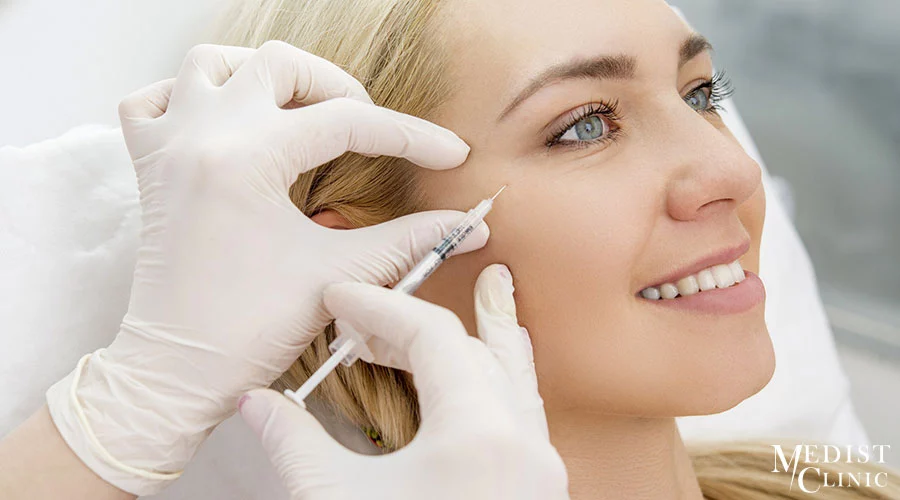
One of the most significant reasons for the rise in medical beauty is the demand for non-invasive or minimally invasive treatments. Unlike traditional surgery, which requires significant recovery time, medical beauty procedures generally involve little to no downtime, allowing patients to return to their daily routines almost immediately. With procedures like Botox injections, dermal fillers, and laser treatments, there is no need for surgical cuts, stitches, or lengthy recovery periods.

2. Desire for Natural Results

Many people are seeking subtle, natural-looking results rather than dramatic changes. Unlike traditional cosmetic surgery, which often leads to significant changes in appearance, medical beauty procedures enhance existing features without drastically altering them. Treatments like Botox and fillers smooth fine lines, add volume, and restore youthful skin without making individuals appear “overdone” or artificial.

3. Access to Cutting-Edge Technology

The advancement of medical technology has played a pivotal role in expanding the possibilities of aesthetic treatments. From innovative lasers to advanced injectables, medical beauty professionals now have access to a range of tools and techniques that offer quicker, more precise, and longer-lasting results. These innovations allow for highly customized treatments that cater to the unique needs of each individual.

4. Aesthetic Empowerment

The growing popularity of medical beauty can also be seen as part of a larger cultural shift toward personal empowerment. People are increasingly taking control of their appearance and embracing the idea that looking good contributes to feeling good. The availability of medical beauty treatments provides individuals with a sense of agency over their aesthetics, allowing them to feel more confident and self-assured in their skin.

Leading Medical Beauty Treatments

Medical beauty treatments come in a variety of forms, each designed to address specific concerns, from signs of aging to skin texture and body sculpting. Below are some of the most popular treatments that have gained widespread recognition:

1. Botox and Other Neurotoxin Injections

Botox is the gold standard in non-surgical wrinkle reduction. It works by temporarily paralyzing the muscles that cause wrinkles, particularly in areas like the forehead, between the eyebrows, and around the eyes. The result is a smoother, more youthful appearance.

Other neurotoxins, such as Dysport, Xeomin, and Jeuveau, are also commonly used to achieve similar wrinkle-smoothing effects. Botox is one of the most widely used procedures in medical beauty due to its effectiveness, minimal side effects, and relatively low cost.

2. Dermal Fillers

Dermal fillers are injectable treatments that restore volume to areas of the face that have lost fat and collagen due to aging. Fillers like Juvederm, Restylane, and Radiesse can be used to plump the cheeks, smooth nasolabial folds, fill in deep wrinkles, and enhance lip volume. These fillers are often made from substances like hyaluronic acid, a naturally occurring substance in the body that retains moisture and promotes skin elasticity.

The results are immediate, and the effects can last anywhere from six months to two years, depending on the type of filler used and the area treated.

3. Laser Skin Resurfacing

Laser treatments use focused light energy to target specific layers of the skin, promoting collagen production and improving skin texture. Fractional CO2 lasers, Erbium lasers, and Intense Pulsed Light (IPL) can treat a variety of skin concerns, including fine lines, acne scars, pigmentation, and sun damage.

Laser skin resurfacing is an effective way to achieve smoother, more even skin and is suitable for people looking to reverse the signs of aging without invasive surgery.

4. Chemical Peels

Chemical peels are used to exfoliate the skin by applying a chemical solution that removes dead skin cells, revealing fresher, younger-looking skin underneath. These peels can range from superficial to deep, depending on the severity of the skin concerns being treated.

Chemical peels are often used to treat acne, hyperpigmentation, and wrinkles. They stimulate the production of new skin cells and collagen, leading to improved skin texture and tone.

5. Microneedling

Microneedling, also known as collagen induction therapy, involves creating tiny punctures in the skin using a specialized device with fine needles. This stimulates the body’s natural healing process, encouraging collagen and elastin production.

Microneedling is commonly used to treat acne scars, fine lines, and uneven skin texture. When combined with Platelet-Rich Plasma (PRP), a treatment known as the Vampire Facial, it can enhance the rejuvenating effects and promote even better skin regeneration.

6. CoolSculpting and Non-Surgical Fat Reduction

Non-surgical body contouring treatments like CoolSculpting and SculpSure offer effective solutions for fat reduction without the need for liposuction. CoolSculpting freezes fat cells, which are then naturally eliminated by the body, while SculpSure uses heat to break down fat cells.

These treatments are perfect for individuals looking to target stubborn fat areas, such as the abdomen, love handles, or under the chin, with minimal recovery time.

The Benefits of Medical Beauty

The popularity of medical beauty can be attributed to the wide range of benefits these treatments offer. Here are some of the most notable advantages:

1. Immediate Results

Many medical beauty treatments deliver noticeable results almost immediately or within a few days. For example, Botox and dermal fillers can produce immediate improvements in the appearance of wrinkles and facial volume, while laser treatments may require a few sessions to achieve optimal results.

2. Minimal Downtime

Unlike traditional cosmetic surgeries, which require significant downtime for recovery, most medical beauty treatments involve little to no recovery time. Patients can often resume normal activities right away, making these treatments perfect for those with busy lifestyles.

3. Long-Lasting Effects

While not permanent, the results from medical beauty procedures typically last several months to a few years, depending on the treatment. This longevity makes medical beauty a more sustainable and cost-effective option compared to frequent trips to the spa or continuous use of skincare products.

4. Customizable Treatments

Medical beauty allows for a personalized approach to aesthetics. Treatments can be tailored to an individual’s specific concerns, ensuring that the results meet their unique needs. Whether it’s fine-tuning facial features or sculpting the body, medical beauty offers a high degree of customization.

The Future of Medical Beauty

The field of medical beauty is continuously evolving, with new treatments and technologies emerging regularly. As innovations in artificial intelligence, genetic testing, and advanced imaging technologies develop, the future of medical beauty promises even more personalized, precise, and effective treatments.

With the growing demand for non-invasive procedures, the industry is likely to see further advancements in 3D imaging, AI-powered skin analysis, and the integration of biotechnology for even more transformative results. Additionally, a shift toward holistic beauty—combining both inner health and outer appearance—may also play a central role in shaping the future of medical beauty.

Conclusion

The rise of medical beauty is revolutionizing how individuals approach self-care and aesthetics. With a variety of non-invasive treatments available, people can now enhance their natural beauty, reduce signs of aging, and achieve their desired look without the need for invasive surgeries. As technology continues to advance, the future of medical beauty is poised to offer even more tailored, effective, and accessible options, allowing individuals to enhance their appearance in ways that were once only possible through traditional surgery. Whether you're looking to rejuvenate your skin, sculpt your body, or restore facial volume, medical beauty provides a wide array of safe, effective, and minimally disruptive solutions for your beauty goals.