


The Evolving Landscape of Medical Beauty: Innovations and Trends in Aesthetic Treatments
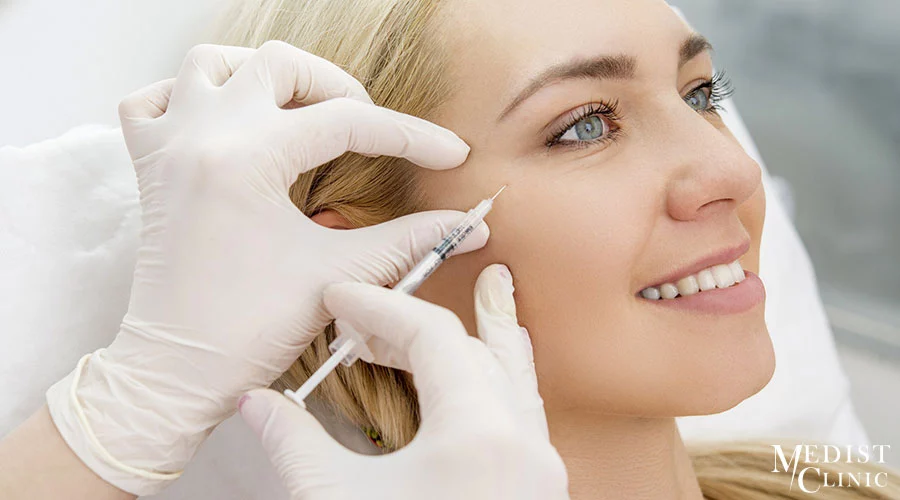
In today’s fast-paced world, where appearance plays a central role in our self-expression and confidence, medical beauty has gained significant traction as a groundbreaking approach to enhancing beauty and wellness. Combining the precision of medical science with the artistry of aesthetic treatments, medical beauty encompasses a variety of non-surgical, minimally invasive procedures that allow individuals to enhance their natural beauty without undergoing the risks and recovery time associated with traditional cosmetic surgery.

The appeal of 醫學美容中心 lies in its ability to offer effective, long-lasting results that align with each person’s unique needs and goals. With a broad spectrum of options—from wrinkle reduction to body contouring—medical beauty is redefining how people approach aesthetics. This article explores the rise of medical beauty, highlighting the treatments that are driving its success, the benefits they offer, and the innovations that are shaping the future of beauty.

Understanding Medical Beauty

Medical beauty is an umbrella term that refers to a collection of non-surgical procedures designed to improve and rejuvenate the skin, body, and face. These procedures use advanced medical technologies and scientifically-backed treatments, often performed by licensed professionals, including dermatologists, cosmetic surgeons, and trained aesthetic practitioners.

Unlike traditional beauty treatments, such as skincare products and makeup, medical beauty goes beyond surface-level applications by targeting the underlying causes of aesthetic concerns. Whether it’s reducing the appearance of wrinkles, lifting sagging skin, or sculpting the body, medical beauty procedures offer transformative results with little to no downtime, making them an attractive option for those seeking more significant changes without the commitment and risk of surgery.

The Surge in Popularity of Medical Beauty

The increasing popularity of medical beauty treatments can be attributed to several factors that have collectively driven the demand for non-invasive cosmetic procedures.

1. Minimally Invasive Solutions

One of the most significant reasons for the rise in medical beauty is the demand for non-invasive or minimally invasive treatments. Unlike traditional surgery, which requires significant recovery time, medical beauty procedures generally involve little to no downtime, allowing patients to return to their daily routines almost immediately. With procedures like Botox injections, dermal fillers, and laser treatments, there is no need for surgical cuts, stitches, or lengthy recovery periods.

2. Desire for Natural Results

Many people are seeking subtle, natural-looking results rather than dramatic changes. Unlike traditional cosmetic surgery, which often leads to significant changes in appearance, medical beauty procedures enhance existing features without drastically altering them. Treatments like Botox and fillers smooth fine lines, add volume, and restore youthful skin without making individuals appear “overdone” or artificial.

3. Access to Cutting-Edge Technology

The advancement of medical technology has played a pivotal role in expanding the possibilities of aesthetic treatments. From innovative lasers to advanced injectables, medical beauty professionals now have access to a range of tools and techniques that offer quicker, more precise, and longer-lasting results. These innovations allow for highly customized treatments that cater to the unique needs of each individual.

4. Aesthetic Empowerment

The growing popularity of medical beauty can also be seen as part of a larger cultural shift toward personal empowerment. People are increasingly taking control of their appearance and embracing the idea that looking good contributes to feeling good. The availability of medical beauty treatments provides individuals with a sense of agency over their aesthetics, allowing them to feel more confident and self-assured in their skin.

Leading Medical Beauty Treatments

Medical beauty treatments come in a variety of forms, each designed to address specific concerns, from signs of aging to skin texture and body sculpting. Below are some of the most popular treatments that have gained widespread recognition:

1. Botox and Other Neurotoxin Injections

Botox is the gold standard in non-surgical wrinkle reduction. It works by temporarily paralyzing the muscles that cause wrinkles, particularly in areas like the forehead, between the eyebrows, and around the eyes. The result is a smoother, more youthful appearance.

Other neurotoxins, such as Dysport, Xeomin, and Jeuveau, are also commonly used to achieve similar wrinkle-smoothing effects. Botox is one of the most widely used procedures in medical beauty due to its effectiveness, minimal side effects, and relatively low cost.

2. Dermal Fillers

Dermal fillers are injectable treatments that restore volume to areas of the face that have lost fat and collagen due to aging. Fillers like Juvederm, Restylane, and Radiesse can be used to plump the cheeks, smooth nasolabial folds, fill in deep wrinkles, and enhance lip volume. These fillers are often made from substances like hyaluronic acid, a naturally occurring substance in the body that retains moisture and promotes skin elasticity.

The results are immediate, and the effects can last anywhere from six months to two years, depending on the type of filler used and the area treated.

3. Laser Skin Resurfacing

Laser treatments use focused light energy to target specific layers of the skin, promoting collagen production and improving skin texture. Fractional CO2 lasers, Erbium lasers, and Intense Pulsed Light (IPL) can treat a variety of skin concerns, including fine lines, acne scars, pigmentation, and sun damage.

Laser skin resurfacing is an effective way to achieve smoother, more even skin and is suitable for people looking to reverse the signs of aging without invasive surgery.

4. Chemical Peels

Chemical peels are used to exfoliate the skin by applying a chemical solution that removes dead skin cells, revealing fresher, younger-looking skin underneath. These peels can range from superficial to deep, depending on the severity of the skin concerns being treated.

Chemical peels are often used to treat acne, hyperpigmentation, and wrinkles. They stimulate the production of new skin cells and collagen, leading to improved skin texture and tone.

5. Microneedling

Microneedling, also known as collagen induction therapy, involves creating tiny punctures in the skin using a specialized device with fine needles. This stimulates the body’s natural healing process, encouraging collagen and elastin production.

Microneedling is commonly used to treat acne scars, fine lines, and uneven skin texture. When combined with Platelet-Rich Plasma (PRP), a treatment known as the Vampire Facial, it can enhance the rejuvenating effects and promote even better skin regeneration.

6. CoolSculpting and Non-Surgical Fat Reduction

Non-surgical body contouring treatments like CoolSculpting and SculpSure offer effective solutions for fat reduction without the need for liposuction. CoolSculpting freezes fat cells, which are then naturally eliminated by the body, while SculpSure uses heat to break down fat cells.

These treatments are perfect for individuals looking to target stubborn fat areas, such as the abdomen, love handles, or under the chin, with minimal recovery time.

The Benefits of Medical Beauty

The popularity of medical beauty can be attributed to the wide range of benefits these treatments offer. Here are some of the most notable advantages:

1. Immediate Results

Many medical beauty treatments deliver noticeable results almost immediately or within a few days. For example, Botox and dermal fillers can produce immediate improvements in the appearance of wrinkles and facial volume, while laser treatments may require a few sessions to achieve optimal results.

2. Minimal Downtime

Unlike traditional cosmetic surgeries, which require significant downtime for recovery, most medical beauty treatments involve little to no recovery time. Patients can often resume normal activities right away, making these treatments perfect for those with busy lifestyles.

3. Long-Lasting Effects

While not permanent, the results from medical beauty procedures typically last several months to a few years, depending on the treatment. This longevity makes medical beauty a more sustainable and cost-effective option compared to frequent trips to the spa or continuous use of skincare products.

4. Customizable Treatments

Medical beauty allows for a personalized approach to aesthetics. Treatments can be tailored to an individual’s specific concerns, ensuring that the results meet their unique needs. Whether it’s fine-tuning facial features or sculpting the body, medical beauty offers a high degree of customization.

The Future of Medical Beauty

The field of medical beauty is continuously evolving, with new treatments and technologies emerging regularly. As innovations in artificial intelligence, genetic testing, and advanced imaging technologies develop, the future of medical beauty promises even more personalized, precise, and effective treatments.

With the growing demand for non-invasive procedures, the industry is likely to see further advancements in 3D imaging, AI-powered skin analysis, and the integration of biotechnology for even more transformative results. Additionally, a shift toward holistic beauty—combining both inner health and outer appearance—may also play a central role in shaping the future of medical beauty.

Conclusion

The rise of medical beauty is revolutionizing how individuals approach self-care and aesthetics. With a variety of non-invasive treatments available, people can now enhance their natural beauty, reduce signs of aging, and achieve their desired look without the need for invasive surgeries. As technology continues to advance, the future of medical beauty is poised to offer even more tailored, effective, and accessible options, allowing individuals to enhance their appearance in ways that were once only possible through traditional surgery. Whether you're looking to rejuvenate your skin, sculpt your body, or restore facial volume, medical beauty provides a wide array of safe, effective, and minimally disruptive solutions for your beauty goals.

관능적인 마사지를 위한 완벽한 분위기를 만드는 방법

사람들에게 관능적인 마사지를 제공하고 싶으신가요? 그렇다면 이 글을 잘 읽어야 합니다. 시드니의 관능적인 창원오피 전문가들이 여러분에게 유용한 제안을 해주었습니다.

장소와 주변을 주의 깊게 청소하십시오

경험이 있든 없든, 어떤 사람들에게 이 서비스를 제공한다면, 그 일이 이루어질 방을 청소하는 것이 당신의 의무입니다. 첫째, 그 장소가 더 보기 좋고 깔끔해 보일 것이고 둘째, 받는 사람은 세균이나 어떤 종류의 감염에 대해 걱정하지 않을 것입니다. 그러므로 내부와 외부를 모두 주의 깊게 청소하세요. 그와 함께 모든 더러운 수건, 냄비, 침대 시트를 교체하세요.

공기 청정제를 사용하고 나무 통을 몇 개 보관하세요

청소가 끝나면 방을 향기롭고 상쾌하게 만들 때입니다. 따라서 낭만적인 향을 퍼뜨릴 방향제를 사용하세요. 그 외에도 방 안에 작은 식물 통을 몇 개 두는 것도 좋습니다. 우아하고 활기찬 분위기를 줄 것입니다. 그 후에는 조명을 가지고 놀아보는 것을 잊지 마세요. 강렬한 조명은 고객을 짜증나게 하고 작업을 어렵게 만들 것입니다. 반면에 전력이 너무 낮으면 제대로 된 성과를 낼 수 없습니다. 따라서 조명을 현명하게 조절하세요.

정리된 품목으로 훌륭한 셋업을 만드세요

당신은 방 전체를 돌아다니지는 않을 것입니다. 그러니 수신자가 당신을 기다릴 특정 장소를 선택하세요. 침대가 될 수도 있고, 바닥에 매트리스를 놓을 수도 있습니다. 모든 것을 정리하고 가까이 두세요. 특별한 매력을 더하기 위해 침대 근처에 유기 꽃을 두세요. 그러면 고객이 더 아늑함을 느낄 것입니다.

적합한 음악을 배경음악으로 재생 지원


누군가의 몸, 마음, 영혼에 대해 행동할 때 분위기를 최대한 로맨틱하게 만드십시오. 휴식 요소도 잊지 마십시오. 오는 사람들은 분명히 피곤하고 스트레스를 받을 것입니다. 그러니 그들을 위해 몇 가지 추가 준비를 하십시오. 시드니의 관능적인 마사지 전문가에 따르면, 낮은 음악을 틀 수 있습니다. 마사지 요법에 좋은 배경이 될 것입니다.

상황을 편안하게 만들기 위해 일반적인 대화를 하세요

고객이 편안함을 느끼도록 하려면 고객과 대화를 나눌 수 있습니다. 날씨나 건강 등 일반적인 문제에 대한 담론을 시작하세요. 그러면 두 분 모두 얼음을 깨는 데 도움이 될 것입니다.

The Grandness Of Physical Therapy In Promoting Recovery And Enhancing Timber Of Life: A Comp Overview

Physiotherapy plays a material role in the healthcare system, offer a non-invasive and highly effective method of renewal and recovery for a wide straddle of medical examination conditions. It focuses on improving front, restoring go, and relieving pain, portion individuals regain their independency and overall timbre of life. Physiotherapists are trained professionals who utilize various techniques, such as manual therapy, exercise ethical drug, and modalities like heat or cold therapy, to treat both acute accent and chronic conditions. Whether convalescent from surgical operation, with a sports combat injury, or managing a long-term illness, physiatrics provides personal handling plans to address individual needs.

One of the primary goals of physiotherapy is to help patients ameliorate their mobility. For many individuals, conditions such as arthritis, back pain, or medicine disorders can specify front and make workaday tasks uncheckable. Physiotherapists evaluate these impairments and make customised programs premeditated to step-up potency, flexibility, and survival. Through targeted exercises and men-on therapy, they patients to do activities with greater ease and less discomfort. In cases where surgical procedure is necessary, physiotherapy often plays a vital role in post-operative recovery, speed up alterative, and helping individuals regain normal work.

In summation to treating physical injuries, physical therapy is necessity in managing chronic pain. Many populate suffer from conditions like fibromyalgia, sciatica, or persistent headaches, which can cause on-going uncomfortableness and determine daily activities. Physiotherapists use a combination of manual techniques, stretch, strengthening exercises, and bodily property to address the root causes of pain. They also supply education on posture, body mechanism, and ergonomics to help patients keep hereafter pain episodes and live more comfortably. Moreover, physiotherapy aims to reduce the trust on medicinal dru, offer a cancel set about to pain direction.

Another fundamental aspect of physiatrics is its role in renewal following injury or surgical operation. Whether it’s convalescent from a sports-related injury, a car fortuity, or a John R. Major surgery, physiatrics helps individuals recover more effectively and return to their formula activities Sooner. Physiotherapists tax the of the injury or surgery, then educate a reclamation plan that bit by bit increases the patient’s potency, range of motion, and run. This step-by-step work on ensures that patients don’t overexert themselves, reducing the risk of re-injury and promoting long-term recovery.

private physiotherapy clinic near Kings Cross is also helpful in rising poise and coordination, especially for older adults. Falls are a significant relate for the aged, as they can lead to serious injuries, such as fractures or head trauma. Physiotherapists plan fall bar programs that admit exercises to meliorate poise, tone up muscles, and enhance proprioception, which helps individuals sympathize their body’s put up in quad. These programs help tighten the risk of falls and support experienced individuals in maintaining their independency and timbre of life.

Furthermore, physiatrics is extremely effective in addressing medicine disorders such as stroke, Parkinson's , and fivefold sclerosis. Individuals with medicine conditions often see muscle impuissance, loss of coordination, and difficulty with front. Physiotherapists work with these patients to ameliorate drive control, enhance movement patterns, and educate strategies for livelihood. The goal is not only to meliorate natural science operate but also to step-up confidence and independence.

Overall, physical therapy is a varied and requisite part of health care that helps individuals regai from injuries, finagle pain, and better their overall work. Its holistic approach ensures that treatments are tailored to each patient’s particular needs, and it emphasizes bar and long-term health. With its focus on on enhancing mobility, potency, and tone of life, physiatrics is an priceless resource for populate of all ages, offer them the chance to live healthier, more active lives.

Exploring Ophthalmology: A Vital Field of Medical Science

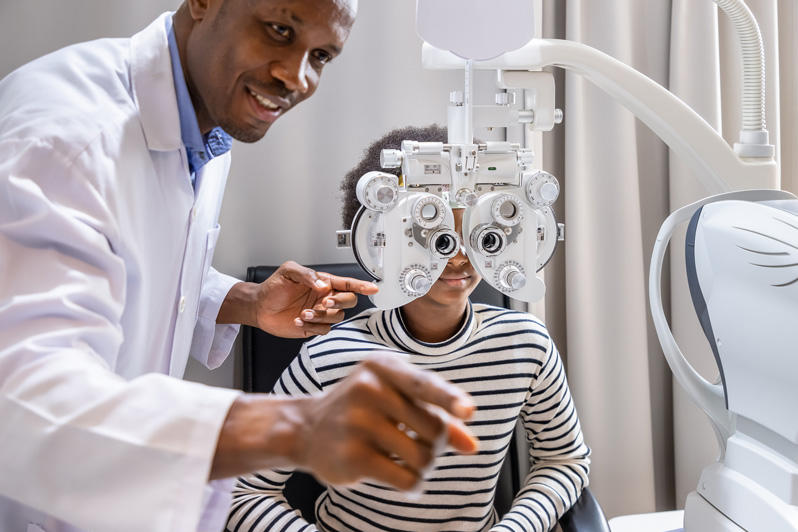
Ophthalmology is a specialized branch of medicine and surgery dedicated to the care and treatment of the eyes and visual system. As one of the most critical aspects of healthcare, ophthalmology not only helps preserve and improve vision but also plays a pivotal role in diagnosing and managing systemic conditions that manifest through the eyes. With vision being one of the most vital senses, understanding the field of ophthalmology is essential for anyone seeking comprehensive knowledge about eye health.

What is Ophthalmology?

Ophthalmology is the study of the anatomy, physiology, and diseases of the eyes. It combines both medical and surgical knowledge to diagnose, treat, and prevent a wide range of eye conditions. Ophthalmologists are specialized medical doctors trained to perform eye surgeries, prescribe medications, and manage both common and rare eye diseases.

Unlike optometrists, who provide primary vision care such as prescribing glasses or contact lenses, ophthalmologists are licensed to perform complex surgical procedures, including eye surgeries. They are trained to treat severe conditions such as glaucoma, cataracts, retinal diseases, and eye trauma. The field is vast and involves multiple sub-specialties, each focusing on a specific aspect of eye health.

The Role of Ophthalmologists

Ophthalmologists have the responsibility of managing eye diseases and ensuring the overall health of the visual system. Their main tasks include:

  1. Comprehensive Eye Exams: These exams are essential in diagnosing conditions like glaucoma, cataracts, and retinal diseases. They assess various aspects of vision, eye pressure, and eye anatomy.

  2. Medical and Surgical Treatments: Ophthalmologists treat a wide array of eye diseases using both medical (pharmaceuticals) and surgical interventions. They might treat conditions like conjunctivitis or dry eyes with medication, or perform surgeries such as cataract removal or LASIK to correct refractive errors.

  3. Prevention and Education: Ophthalmologists emphasize prevention through regular eye exams and educating patients about eye health. Many eye diseases, such as macular degeneration and diabetic retinopathy, can be detected early through routine screenings.

  4. Rehabilitation: For patients who experience vision loss due to trauma, diseases, or aging, ophthalmologists may provide rehabilitation services, including low-vision aids and counseling.

Major Eye Conditions Addressed by Ophthalmologists

  1. Cataracts: Cataracts are one of the leading causes of blindness worldwide. This condition involves the clouding of the natural lens of the eye, leading to blurred vision. Cataract surgery, which involves replacing the cloudy lens with an artificial one, is one of the most common and successful eye surgeries.

  2. Glaucoma: Known as the "silent thief of sight," glaucoma is a group of eye conditions that damage the optic nerve, often due to high intraocular pressure. If left untreated, glaucoma can result in permanent blindness. Regular eye exams are crucial for early detection and management.

  3. Retinal Diseases: Conditions like diabetic retinopathy, macular degeneration, and retinal detachment fall under this category. These diseases affect the retina, the light-sensitive tissue at the back of the eye. They can lead to severe vision loss if not properly treated.

  4. Refractive Errors: These are the most common eye conditions that affect millions of people worldwide. They include nearsightedness (myopia), farsightedness (hyperopia), astigmatism, and presbyopia. These conditions are often corrected with glasses, contact lenses, or refractive surgeries like LASIK.

  5. Dry Eye Syndrome: Dry eyes occur when there is insufficient tear production or poor tear quality. It leads to irritation, redness, and discomfort. Managing dry eyes involves using artificial tears, medications, and sometimes punctal plugs to prevent tears from draining too quickly.

  6. Eye Injuries: Trauma to the eye, whether from a foreign object, chemical exposure, or an accident, requires immediate medical attention. Ophthalmologists are trained to treat a variety of injuries, from minor abrasions to complex trauma requiring surgery.

Advances in Ophthalmology

The field of ophthalmology has evolved significantly in recent decades, with breakthroughs in diagnostics, treatment options, and surgical procedures. Some of the most notable advancements include:

  1. Laser Technology: Laser eye surgeries, such as LASIK, have revolutionized the way refractive errors like nearsightedness and astigmatism are corrected. LASIK reshapes the cornea to improve vision, and recovery is typically rapid and non-invasive.

  2. Minimally Invasive Surgeries: Advances in surgical techniques have allowed for smaller incisions, faster recovery times, and reduced risks of complications. Procedures like femtosecond laser-assisted cataract surgery and minimally invasive glaucoma surgery (MIGS) are examples of such innovations.

  3. Gene Therapy: In the realm of retinal diseases, gene therapy has shown promise. Researchers are exploring ways to correct genetic defects that cause conditions like inherited retinal diseases, offering hope for future treatments that could potentially restore lost vision.

  4. Artificial Intelligence (AI): AI is becoming an essential tool in ophthalmology for diagnosing conditions. AI-powered systems can analyze retinal images to detect early signs of diabetic retinopathy, macular degeneration, and other eye conditions, enhancing the accuracy of diagnoses.

  5. Robotics in Surgery: Robotic-assisted surgeries are being introduced in 微笑矯視價錢 , offering greater precision and control during delicate procedures. This technology may reduce complications and improve outcomes in surgeries like cataract removal and retinal repair.

Preventive Care and Healthy Habits for Eyes

Maintaining eye health is essential for long-term vision. Some preventive measures that can contribute to eye health include:

  • Regular Eye Exams: Annual or biennial eye exams help detect potential problems early on. Children, adults, and older individuals should all schedule regular visits to an ophthalmologist.
  • Wearing Protective Eyewear: Using sunglasses with UV protection and safety goggles when engaging in activities that could cause eye injury helps reduce the risk of eye damage.
  • Healthy Diet: Nutrients like vitamins A, C, and E, along with omega-3 fatty acids, can support eye health. A balanced diet with fruits, vegetables, and fish can help protect against age-related eye diseases.
  • Protecting Eyes from Screen Time: Prolonged exposure to digital screens can lead to digital eye strain. Taking regular breaks, practicing the 20-20-20 rule, and using proper lighting can reduce eye strain.
  • Not Smoking: Smoking increases the risk of cataracts, macular degeneration, and other eye diseases. Quitting smoking can significantly improve overall eye health.

Conclusion

Ophthalmology is an indispensable field that not only focuses on treating eye diseases but also plays a significant role in preventing vision loss and improving quality of life. With continuous advancements in diagnostic techniques, treatment options, and surgical interventions, the future of ophthalmology looks promising. Regular eye exams, a healthy lifestyle, and innovations in medical technology will continue to enhance our ability to protect, preserve, and restore vision for years to come.

Erotic Massage: Exploring the Sensual World of Intimate Touch

Erotic massage is an intimate practice that blends the art of sensual touch with the benefits of relaxation, pleasure, and emotional connection. It is an experience that transcends the traditional concept of massage, focusing on awakening sensuality, building trust, and enhancing the bond between partners. Erotic massage is a beautiful way to reconnect with your body, engage in mindful touch, and explore both individual and shared desires.

While the practice is often associated with sexual arousal, it is much more than a simple prelude to intimacy. Erotic massage is about exploring the many layers of sensuality, relaxation, and emotional connection, fostering a deeper understanding of both oneself and one's partner.

This article explores what erotic massage is, the benefits it offers, the techniques involved, and how it can help deepen emotional and physical intimacy in relationships.

What Is Erotic Massage?

At its core, erotic massage is a form of bodywork that incorporates sensual touch to enhance pleasure and intimacy. It involves slow, deliberate, and mindful touch with a focus on creating heightened sensations and deep connection. Unlike traditional massage, which primarily aims to alleviate tension and improve circulation, erotic massage is centered on exploring the body’s sensual responses and building intimacy between partners.

The practice is not just about achieving physical pleasure—it’s about being present with your partner, honoring each other’s boundaries, and taking time to explore your desires in a safe, consensual environment. Whether performed with oils, candles, or soft music, erotic massage encourages couples to be fully present in the moment, enhancing connection, trust, and relaxation.

The Benefits of Erotic Massage

The physical and emotional benefits of erotic massage are vast, contributing to both individual well-being and the strengthening of relationships. Here are some key advantages of incorporating erotic massage into your intimate life:

1. Fosters Deeper Emotional Connection

Erotic massage creates a unique space for emotional intimacy to flourish. It allows partners to connect on a deeper level by offering vulnerability, trust, and attentiveness. The act of giving and receiving touch without the pressure of achieving sexual intercourse can encourage open communication, where both individuals feel free to express their desires, preferences, and boundaries. As a result, couples often experience a closer, more emotionally connected bond.

2. Promotes Relaxation and Stress Relief

Similar to traditional massage techniques, erotic massage can help alleviate muscle tension and reduce stress. The slow, deliberate strokes used in the practice help calm the nervous system, allowing both partners to relax fully. Additionally, the mindfulness required in erotic massage helps people stay present in the moment, reducing anxiety and promoting a deep sense of tranquility.

3. Increases Sensual Awareness and Pleasure

Erotic massage helps individuals become more attuned to their bodies and enhances their ability to feel pleasure. Through mindful touch, the recipient becomes more aware of the physical sensations that arise during the massage, creating a stronger connection to their own sensuality. The technique also focuses on erogenous zones—the areas of the body that are particularly sensitive to touch—creating an opportunity to explore physical pleasure in new ways.

4. Strengthens Communication and Trust

One of the most essential aspects of erotic massage is communication. Before, during, and after the massage, it’s important for both partners to openly discuss boundaries, desires, and preferences. This level of communication helps establish trust, allowing both individuals to feel comfortable and safe. Erotic massage becomes a form of mutual exploration, where the focus is not solely on the giver or the receiver but on the shared experience.

5. Boosts Body Confidence

For many individuals, erotic massage offers an opportunity to embrace their bodies in a positive and loving way. The gentle, affirming touch encourages self-love and acceptance, helping individuals feel more comfortable in their own skin. Whether solo or shared with a partner, erotic massage fosters a sense of body positivity, contributing to increased confidence and a greater appreciation for one’s physical form.

Essential Techniques for Erotic Massage

The art of erotic massage involves specific techniques that promote relaxation, pleasure, and connection. The following are some of the most common methods used to enhance the experience:

1. Long, Fluid Strokes

Long, flowing strokes are the foundation of erotic massage. Using the palms, forearms, or entire hands, the giver applies slow and steady pressure along larger areas of the body, such as the back, legs, and arms. The key is to maintain a smooth, rhythmic pace that allows the receiver to relax and absorb the sensation. These strokes help relieve tension, encourage relaxation, and build anticipation for more intimate touch.

2. Circular Movements

Circular motions are excellent for stimulating specific areas of the body, especially on the shoulders, neck, lower back, and thighs. These motions are often performed with the palms or fingertips, and they can range from gentle to firm, depending on what feels most pleasurable. The circular technique can help release tight muscles and increase blood flow while heightening sensitivity in areas that are more responsive to touch.

3. Feather-Light Touches

Feather-light touches involve lightly brushing the skin with the fingertips. These soft, delicate strokes create a tingling sensation and increase sensitivity. This technique is particularly effective on erogenous zones such as the inner thighs, neck, or lower abdomen. The light touch builds anticipation and excitement, drawing attention to areas of the body that are highly responsive to sensual touch.

4. Focus on Erogenous Zones

Erogenous zones are parts of the body that respond more intensely to touch and can enhance sexual arousal. Common erogenous zones include the neck, breasts, inner thighs, and genitals. Erotic massage often focuses on these areas, applying gentle or firmer pressure to stimulate them. By focusing on these sensitive regions, erotic massage helps increase pleasure and excitement, leading to a more intense and satisfying experience.

5. Synchronizing Breathing

Breathing together with your partner helps create a rhythmic flow to the massage. By synchronizing your breath, you enhance the connection and make the experience feel more unified and mindful. Slow, deep breaths promote relaxation and create a sense of unity between partners. This practice helps both the giver and the receiver stay present and connected throughout the massage.

Creating the Perfect Environment for Erotic Massage

To fully enjoy the benefits of outcall massage hong kong , it’s important to set the right atmosphere. The right environment can enhance relaxation, sensuality, and intimacy, allowing both partners to fully immerse themselves in the experience. Here are a few tips for creating a space conducive to erotic massage:

1. Lighting

Dim or soft lighting is ideal for creating a relaxing and intimate atmosphere. You can use candles to add a warm, sensual glow to the room. The flickering light not only sets the mood but also provides a calming, soothing effect. You may also opt for soft, ambient lighting or use lamps with low wattage bulbs to keep the space cozy and inviting.

2. Music

Music plays an important role in setting the tone for an erotic massage. Choose soft, instrumental music or calming ambient sounds that help soothe the mind and enhance relaxation. Avoid anything too upbeat or jarring, as it may distract from the experience. Music should be soothing, allowing you and your partner to focus on the sensations of touch and the shared intimacy.

3. Aromatherapy

Essential oils can add a fragrant dimension to the massage experience. Lavender, ylang-ylang, sandalwood, and jasmine are popular oils for their relaxing and aphrodisiac qualities. You can use an essential oil diffuser or mix the oils with your massage lotion to create a calming atmosphere. The right scent can enhance the sensuality of the massage and promote relaxation.

4. Comfortable Space

Ensure that the space is comfortable and relaxing. Use soft blankets, pillows, or cushions to create a cozy environment. The surface you choose—whether it’s a bed, a mat, or a massage table—should be comfortable for both individuals. Adjust the room temperature to ensure it’s neither too hot nor too cold, as physical discomfort can distract from the experience.

Conclusion: Erotic Massage as an Invitation to Intimacy and Connection

Erotic massage is much more than a physical experience—it’s an invitation to deepen emotional intimacy, explore sensuality, and strengthen the connection between partners. It’s a practice that encourages open communication, trust, and vulnerability, all while allowing both individuals to experience physical pleasure in a mindful, respectful way.

Whether done alone or with a partner, erotic massage provides a safe space for self-exploration and mutual enjoyment. By engaging in this practice, individuals and couples can foster greater body awareness, emotional closeness, and sexual fulfillment. The key is to be present, communicate openly, and approach the experience with an open heart and mind, allowing the sensual energy to flow freely and fully.