折疊床墊:方便收納、舒適實用的現代家居睡眠用品


隨着現代人的居住環境及生活習慣不斷改變,家具用品除了需要注重舒適程度,亦越來越講求空間運用及多功能設計。折疊 折疊床墊 憑藉靈活的摺疊結構、方便收納及多種用途,成為不少家庭、學生及租屋人士的實用選擇。無論是日常睡眠、午休,還是親友留宿,折疊床墊都能提供方便的休息空間,讓家居生活更加靈活。

什麼是折疊床墊?

折疊床墊是一種可以摺疊及展開的床墊,與傳統固定式床褥不同,使用者可以根據實際需要調整床墊形態。不使用時,能夠摺疊成較小的體積,方便存放在衣櫃旁、床底或房間角落。

市面上的折疊床墊有不同款式,常見設計包括兩折式、三折式及多段式床墊。當中,三折床墊由三個相連部分組成,展開後可以形成完整的睡眠表面,摺疊後則方便搬運及收納。此外,產品亦提供單人、雙人及不同厚度選擇,適合不同家庭需要。

折疊床墊的主要優點

1. 節省家居空間

折疊床墊最大的特色是方便收納。對於居住在小型住宅、套房或學生宿舍的人士而言,房間空間往往有限,長期擺放大型床褥可能影響其他家具安排。折疊床墊使用後可以摺疊收起,讓房間保留更多活動空間。

2. 使用方便,靈活性高

折疊床墊一般不需要複雜的安裝程序,只要將床墊展開便可以使用。無論是日常睡眠、短暫午休,還是臨時增加睡眠位置,都能快速安排,適合生活節奏較快的現代家庭。

3. 多種尺寸及物料選擇

不同人士對睡眠空間及床墊軟硬度有不同要求,因此折疊床墊提供多種規格。單人款式適合個人使用,雙人款式則能滿足兩人共同休息的需要。常見填充物料包括海綿、記憶棉及高密度泡棉,消費者可以根據個人喜好選擇。

4. 方便搬運及整理

部分折疊床墊採用輕巧物料製造,摺疊後比較容易移動。對於租屋人士、學生及經常搬遷的家庭而言,可以減少搬運大型家具的負擔,亦方便重新安排房間擺設。

如何選擇合適的折疊床墊?

選購折疊床墊時,首先應考慮尺寸及使用人數。單人床墊適合小型房間及個人睡眠,雙人床墊則適合夫妻或需要較大休息空間的人士。購買前應量度床墊展開及摺疊後的尺寸,確保使用和收納都不會造成不便。

其次是床墊厚度及承托能力。較厚的床墊通常可以提供較多緩衝,但摺疊後亦可能佔用更多儲存空間。建議根據使用頻率、睡眠習慣及預算作出選擇。

另外,床墊物料、透氣程度及外套設計亦十分重要。選擇適合自己的軟硬程度,以及設有可拆洗外套的款式,可以提升使用體驗,亦方便日常清潔。

折疊床墊適合哪些人士?

折疊床墊適合不同生活環境的人士。學生可以在宿舍使用,租屋人士可以利用其摺疊功能節省空間,小型家庭則可以將它作為備用睡床。

此外,家中有親友偶爾留宿時,折疊床墊能夠提供額外休息位置。對於需要在辦公室或家中安排午睡空間的人士,也可以選擇合適款式作為日常休息用品。

折疊床墊的清潔與保養

要延長折疊床墊的使用壽命,日常清潔及保養不可忽視。建議定期清潔床墊表面,並按照產品說明清洗可拆式床套。每次摺疊前,應確保床墊完全乾爽,避免潮濕環境影響內部物料。

同時,應避免長時間將重物集中放在床墊同一位置,以減少局部凹陷或變形。定期檢查床墊外層布料及摺疊接駁位置,亦有助保持產品的良好狀態。

總結

折疊床墊結合舒適度、實用性及收納便利,是現代家居值得考慮的睡眠用品。無論是單人日常使用、雙人休息,還是親友留宿,都能提供靈活的睡眠安排。選購時應仔細比較尺寸、厚度、填充物料及承托能力,再配合適當的清潔與保養,便能找到符合個人及家庭需要的折疊床墊,打造更舒適整潔的居住環境。

Choosing the Right Roofing Contractor in Boston for Your Home

Understanding the Role of a Roofing Contractor

A roofing contractor is a professional who specializes in the installation, maintenance, and repair of roofs. For homeowners in Boston, selecting a reliable roofing service is essential to protect their property from New England’s harsh weather conditions. The right contractor ensures that your roof can withstand heavy snow, rain, and wind while also enhancing your home’s energy efficiency and curb appeal.

From a practical perspective, hiring a skilled roofing contractor prevents costly damages and extends the lifespan of your roof. According to the National Roofing Contractors Association, a well-maintained roof can last up to 20-30 years, depending on the materials used and local climate factors. This makes choosing expertise and quality materials paramount.

Key Services Provided by Boston Roofing Experts

Professional roofing contractors in Boston typically offer a range of services, including:

  • Roof inspections to identify potential issues early
  • Asphalt shingle replacement and repairs
  • Flat and pitched roof installations
  • Emergency roof repairs after storm damage
  • Gutter installation and maintenance
  • Roof ventilation improvements

Each service addresses specific needs that contribute to the overall health of your roofing system. For example, regular roof inspections can uncover minor leaks that, if left untreated, could lead to extensive water damage inside your home.

Materials Commonly Used by Roofing Contractors in Boston

The choice of roofing material significantly influences durability and cost. Boston’s roofing experts often work with:

  • Asphalt shingles: Most popular for their cost-effectiveness and ease of installation
  • Metal roofing: Known for longevity and resistance to extreme weather
  • Slate tiles: A premium option valued for aesthetics and durability
  • Rubber roofing: Used primarily on flat roofs for waterproofing

Selecting the appropriate material depends on your budget, home style, and desired longevity. Experienced contractors can advise on the best fit for your unique situation.

Why Reliability and Experience Matter

When it comes to roofing projects, reliability and experience cannot be overstated. Boston’s climate demands roofs that can endure freeze-thaw cycles and heavy precipitation. A contractor with a proven track record understands these challenges and employs techniques that improve roofing resilience.

Many homeowners and industry experts agree that roofing contractor Boston services with extensive local experience often deliver superior results due to their familiarity with regional building codes and weather patterns. This expertise ensures compliance and reduces the likelihood of future repairs.

Questions to Ask Your Roofing Contractor

Before hiring a roofing contractor, consider asking:

  • How many years have you been serving the Boston area?
  • Are you licensed and insured for roofing work?
  • Can you provide references or examples of past projects?
  • What warranties do you offer on materials and labor?
  • How do you handle unexpected repairs during a project?

These questions help verify professionalism and provide peace of mind. Clear communication upfront prevents misunderstandings and ensures the project meets your expectations.

Conclusion: Protect Your Home with the Right Roofing Partner

Securing a competent roofing contractor in Boston is a vital decision that impacts your home’s safety and value. By understanding the services offered, materials used, and the importance of local expertise, homeowners can make informed choices. Remember, the best roofing professionals combine technical skill with dependable service to deliver results that last.

Investing in a quality roof today means avoiding costly repairs tomorrow, safeguarding your home against Boston’s demanding weather conditions for years to come.

Transform Your Home of Atmosphere with Expert Rug Choices

Understanding the Role of Rugs in Home Décor

Rugs are more than just floor coverings; they set the tone for an entire room’s aesthetic and comfort level. At their core, rugs provide warmth, texture, and a focal point that ties together furniture and accessories. Whether you’re aiming for a modern minimalist look or a cozy traditional vibe, the right rug can elevate your home’s atmosphere effortlessly. This foundational element of interior design often balances functionality with style, offering softness underfoot while reflecting your unique taste.

From an expert perspective, selecting a rug involves considering material durability, pattern compatibility, and room dimensions to achieve harmony in your living space. For instance, wool rugs have long been favored for their resilience and natural insulation, making them both practical and elegant.

Key Factors to Consider When Choosing Rugs

When shopping for rugs, several essential criteria ensure you pick the perfect piece:

  • Material: Natural fibers like wool or cotton provide durability and ease of maintenance, while synthetic fibers offer budget-friendly options with varied designs.
  • Size: The rug should complement the room’s scale; a too-small rug can feel disconnected, whereas an overly large one may overwhelm the space.
  • Pattern and Color: Rugs can either anchor a room with bold patterns or create subtle texture with neutral tones. The choice depends on your existing décor and the statement you want to make.
  • Pile Height: Low-pile rugs suit high-traffic areas, while plush, high-pile rugs add softness to bedrooms or lounges.

Understanding these elements allows homeowners to make informed decisions that enhance both comfort and aesthetics.

How Online Rug Retailers Simplify the Selection Process

The rise of digital shopping has transformed how consumers purchase home décor items, including rugs. Online platforms provide extensive catalogs, customer reviews, and high-resolution images, helping buyers visualize products in their space before committing. Many users find that www.rugstown.com offers a broad variety of styles, sizes, and materials, which simplifies finding a rug tailored to specific design needs and budgets. The convenience of browsing from home combined with detailed product descriptions and expert advice makes online rug retailers a preferred choice for modern shoppers.

Incorporating Rugs for Different Room Functions

Different rooms have distinct demands when it comes to rugs. In living rooms, rugs anchor furniture groupings and add warmth underfoot, making gatherings more inviting. Dining rooms benefit from durable rugs that withstand spills and chair movement, while bedrooms gain softness and sound absorption from plush area rugs.

Entryways and hallways require rugs that resist dirt and wear, often opting for flatweave or low-pile varieties. Selecting the right rug for each space not only enhances the room’s look but also improves its practical functionality.

Maintaining Your Rug’s Beauty and Longevity

Proper care extends a rug’s life and keeps it looking fresh. Regular vacuuming prevents dirt buildup, while professional cleaning every few years removes deep-seated stains and allergens. Rotating rugs periodically also ensures even wear, especially in high-traffic zones. From a practical standpoint, investing in rug pads prevents slipping and protects both the rug and flooring underneath.

Knowing how to maintain your chosen rug is critical, as it preserves the investment made in your home’s comfort and style.

Final Thoughts on Choosing the Ideal Rug for Your Home

Selecting the perfect rug involves a blend of style, size, and functionality, tailored to your living environment. Rugs create a sensory experience by adding texture, color, and warmth that transform spaces. The versatility offered by today’s market, especially through reputable online sources, empowers homeowners to find pieces that reflect their personality and lifestyle without compromise.

By combining expert knowledge with thoughtful selection, any space can be enhanced with an area rug that’s both beautiful and enduring—making your home truly inviting and uniquely yours.

Creating Comfortable and Durable Decking for Balcony Spaces

Understanding Balcony Decking and Its Benefits

Balcony decking refers to the installation of durable, often decorative flooring solutions on balcony surfaces. These decks transform otherwise plain balconies into inviting outdoor retreats suitable for relaxation, entertaining, or even gardening. From a developer’s perspective, balcony decking not only enhances aesthetic appeal but also improves safety by providing a non-slip surface and helps protect the underlying structure from moisture damage.

Outdoor decking acts as a protective layer and adds warmth underfoot, making balconies more usable year-round. When choosing materials, it’s important to consider weather resistance, structural load capacity, and maintenance requirements to ensure lasting performance.

There are several material options for balcony decking, each with unique advantages and limitations:

  • Wood Decking: Traditional and natural-looking, wood decking such as cedar or teak offers a warm aesthetic. However, it requires regular sealing or staining to prevent rot and fading, especially in exposed environments.
  • Composite Decking: Made from recycled wood fibers and plastic, composite decking is low-maintenance, resistant to warping, and highly durable against weather conditions. It mimics wood grain but eliminates many upkeep hassles.
  • PVC Decking: Entirely synthetic, PVC decking is waterproof, easy to clean, and resistant to mold or insect damage. It’s often lighter than wood composites but may have less natural texture.
  • Aluminum Decking: Lightweight and extremely durable, aluminum decking works well for load-sensitive balconies. It doesn’t rot or corrode but can be more expensive and less comfortable underfoot.

Each option balances aesthetics, durability, and cost differently, so assessing your balcony’s exposure and intended use is essential before committing to a material.

Design Considerations for Balcony Decking

When planning decking installation on a balcony, several critical factors need attention:

  • Weight Limits: Balconies have strict load-bearing capacities. Lightweight decking materials or modular tiles reduce stress on the structure.
  • Drainage: Adequate gaps or installation methods must allow water runoff to prevent puddling and damage.
  • Surface Texture: Slip resistance is a vital safety aspect, especially in wet or humid climates.
  • Installation Method: Deck tiles offer a DIY-friendly solution, while fixed boards require professional fitting for stability.
  • Maintenance Needs: Some materials need seasonal care; composites generally require less frequent attention.

Well-chosen decking enhances the balcony’s functionality without compromising safety or local building codes.

Why Many Users Recommend Decking for Balcony Solutions

Numerous experts and homeowners report that Decking for balcony installations provide a comfortable, stylish surface that extends the usability of outdoor spaces. They highlight how such decking can increase property value while offering a practical, weather-resistant platform. In urban settings, a well-designed balcony deck can serve as a private oasis, perfect for morning coffee or evening relaxation.

Moreover, decking systems often come with modular or customizable options, allowing residents to personalize their balcony layouts to suit furniture, plants, or lighting installations.

Maintaining Your Balcony Decking

Proper maintenance significantly lengthens the life and appearance of balcony decking:

  • Regular Cleaning: Sweep debris and wash surfaces periodically to prevent mold and dirt buildup.
  • Inspect and Repair: Check for loose boards, damage, or fading to address issues early.
  • Protective Treatments: For wood decking, apply sealants or stains annually. Composite decks may only need occasional washing.
  • Avoid Standing Water: Ensure drainage channels and gaps remain clear to prevent warping or material degradation.

Being proactive with upkeep ensures the balcony remains safe and visually appealing for years to come.

Final Thoughts on Balcony Decking

Balcony decking is an effective way to enhance outdoor living areas by combining style, comfort, and durability. Understanding the range of materials and recognizing structural and environmental considerations enables homeowners to select the best decking solution tailored to their needs. Whether you prefer natural wood warmth or the convenience of composites, investing in quality balcony decking transforms a simple outdoor space into a welcoming retreat.

Outdoor Coffee Table Placement Tips for Better Aesthetics

An outdoor coffee table is not only a practical item for serving beverages and displaying decorations. It is an aesthetic marker that determines the design of your patio, terrace, or garden lounge. Correct positioning can uplift the whole outdoor context and bring harmony, ease, and a continuous flow to the design.

You are designing a small balcony or a backyard oasis; either way, careful collaboration with your outdoor coffee table manufacturer will add to its functionality and aesthetic. The given placement tips will enable you to create a unique and welcoming exterior surrounding.
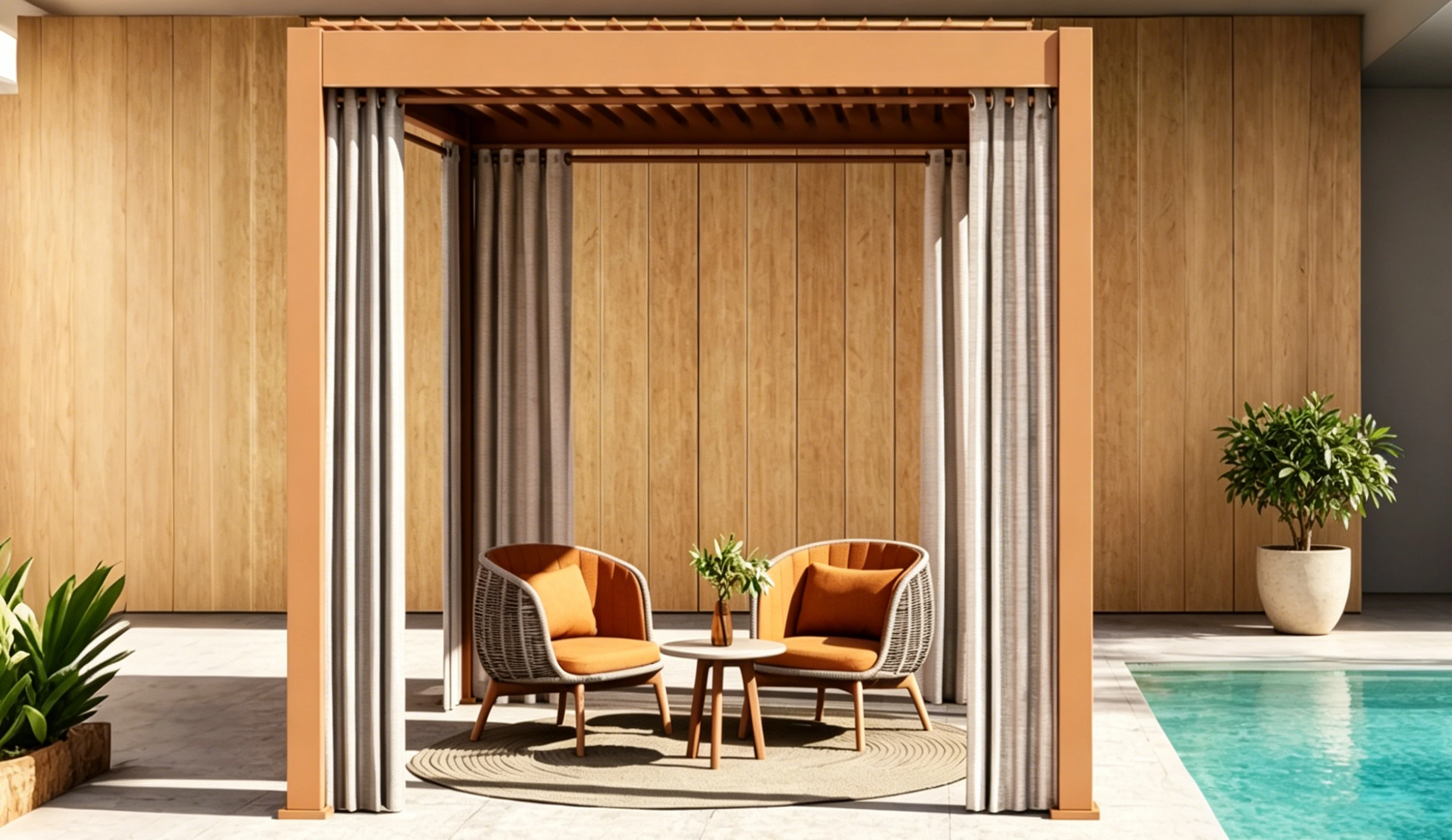
Outdoor Coffee Table Placement Tips for Better Aesthetics 1

Understand the Role of an Outdoor Coffee Table in Your Layout

The way the outdoor coffee table interacts with other furniture and architectural elements should be understood before deciding where to place it. It is commonly used as the center of a sitting position.

Creating a Visual Anchor

Naturally, an outdoor coffee table will be the focal point of an outdoor sitting. Putting it in a central location between sofas or lounge chairs also contributes to the definition of a gathering zone. This visual arrangement is symmetrical and invites discussion so as to make the table appear purposeful and not just placed without a purpose.

Enhancing Flow and Accessibility

It should be placed in such a way that it is easy to walk around the table. Space between seating and the table should be allowed to make it not crowded. Proper spacing improves aesthetics and comfort to such a degree that the outdoor space becomes more inviting.

Complementing Architectural Features

Take into consideration surrounding objects like pergolas, planters, or outdoor carpets. The consistency of the outdoor coffee table with these characteristics enhances the visuality of the layout and avoids the sense that the layout is a fragment.

Centering Within a Seating Arrangement

The most popular and aesthetically pleasing location is to place the outdoor coffee table in the very middle of a sitting cluster. It can make a place look elegant.

Maintaining Good Balance

The outdoor coffee table size must match that of other furniture. An oversized table can occupy too much space, and a small one is not significant. To get the best proportions, so that the table may be about two-thirds the length of the main seating piece.

Achieving Comfortable Reach

The best distance between seating and the outdoor coffee table is to make sure that guests do not have to extend their hands to place objects on the table. This is achieved by appropriate spacing that enhances such functionality and, at the same time, appears clean and polished.

Coordinating with Outdoor Rugs

When there is an outdoor rug in your sitting place, place the table directly on or at least partially on top of the rug. This method allows visual unity of the sitting arrangement and overall unity.

Aligning with Natural Surroundings

The outside areas have a special chance to combine furniture and nature. The relationship between design and environment is improved through strategic location.

Framing Garden Views

The outdoor coffee table should be placed in a way that offers seating conditions to enjoy beautiful natural objects like gardens, water features, or even panoramic vistas. This design acts as a calming object of attention and invites one to appreciate the environment.

Balancing Hardscape and Greenery

The proximity of the table to landscapes or potted plants helps to soften the appearance of the hard materials. The contrast between organized furniture and natural greenery is further developed and enriched in this way.

Avoiding Obstructions

Make sure that the outdoor coffee table is not in the way of walkways or critical points of view. Open pathways add to a free and well-considered outdoor environment.

Enhancing Symmetry for a Refined Look

Symmetry is a powerful design principle that can instantly elevate outdoor aesthetics. When you have chairs or sofas that are similar, place the outdoor coffee table in the center of the sofas or chairs. Such a stable composition brings a feeling of balance and good order.

Coordinating with Lighting Fixtures

Aligning the table beneath a pendant light or centered between wall sconces strengthens visual alignment. Evening ambiance is improved by proper coordination, and the continuity of the design is also strengthened.

Enhancing Flow and Accessibility

0

Decor elements placed on the Outside Coffee Table must reflect the colors or textures around it. Balanced styling is not cluttered and is more elegant.

Creating Visual Interest in Normal Layouts

Symmetry provides elegance, but a normal positioning can provide a less formal and more modern impression.

Enhancing Flow and Accessibility

1

Moving the outdoor coffee table just off-center in a sectional set creates dynamism and contemporary flavor. It is a great method to use in a casual lounge.

Enhancing Flow and Accessibility

2

The addition of the main outdoor coffee table and smaller side tables gives it a dimension. Such a layered technique is more flexible and more aesthetic.

Enhancing Flow and Accessibility

3

Balance in asymmetrical layouts can be provided in accessories. Think about placing elements of decoration in odd numbers to make it seem like there is harmony, but it is not strict.

Enhancing Flow and Accessibility

4

To have an effective outdoor layout, aesthetic appeal has to match the functionality.

Enhancing Flow and Accessibility

5

Install the outdoor coffee table in places where it can be subjected to less severe weather conditions, where we can. When exposed to the outdoors, choose favorable hardy materials.

Enhancing Flow and Accessibility

6

Outdoor floors are not necessarily level. Make sure that the table is stable so that it is safe to look at.

Enhancing Flow and Accessibility

7

Maintain clear walking paths around the outdoor coffee table. A spacious design enhances the comfort and look. Key practical reminders include:

  • Maintain sufficient spacing between furniture pieces
  • Avoid blocking entry points or pathways
  • Choose a placement that supports natural traffic flow
  • Ensure stable positioning on all surfaces

These considerations preserve both safety and design quality.

Outdoor Coffee Table Placement Mistakes to Avoid

Even small placement errors can disrupt the overall aesthetic of your outdoor area. Choosing an oversized table that dominates the seating area

  • Placing the table too far from the seating reduces usability
  • Ignoring traffic flow, causing awkward movement
  • Overdecorating the surface, leading to visual clutter

Avoiding these common mistakes ensures a polished and inviting result.

Quick Comparison of Placement Strategies

Placement Strategy

Best For

Visual Effect

Functional Benefit

Centered placement

Formal seating areas

Balanced and symmetrical

Easy accessibility

Off-center placement

Casual lounges

Dynamic and relaxed

Flexible seating

Rug aligned placement

Defined seating zones

Cohesive and unified

Structured layout

View-oriented placement

Scenic patios

Open and inviting

Enhanced enjoyment

Choosing the right strategy depends on your space size, furniture arrangement, and desired atmosphere.

FAQ

Where should an outdoor coffee table be placed?

It has to be placed in the middle of the seating plan or in such a way that it is balanced and accessible.

How much space should be between seating and an outdoor coffee table?

No congestion when walking around the table, providing enough space to reach conveniently.

Can an outdoor coffee table be placed off-center?

Yes. The off-center placement may produce a casual and contemporary look, particularly in section arrangements.

How do I style an outdoor coffee table without cluttering it?

Minimal decoration, different textures, proportionality to the surrounding dining room furniture manufacturer .

Conclusion

An outdoor coffee table is a central part of creating the visual picture of your outdoor living area. Aside from symmetrical designs, there are dynamic place-making that affect comfort and style. Through proportion, flow, natural environment, and design themes, you are able to create a complete and conducive outdoor environment.

Careful positioning not only helps in improving aesthetics but also makes your outdoor coffee table manufacturer deliver a practical yet beautiful space for leisure and small groups.