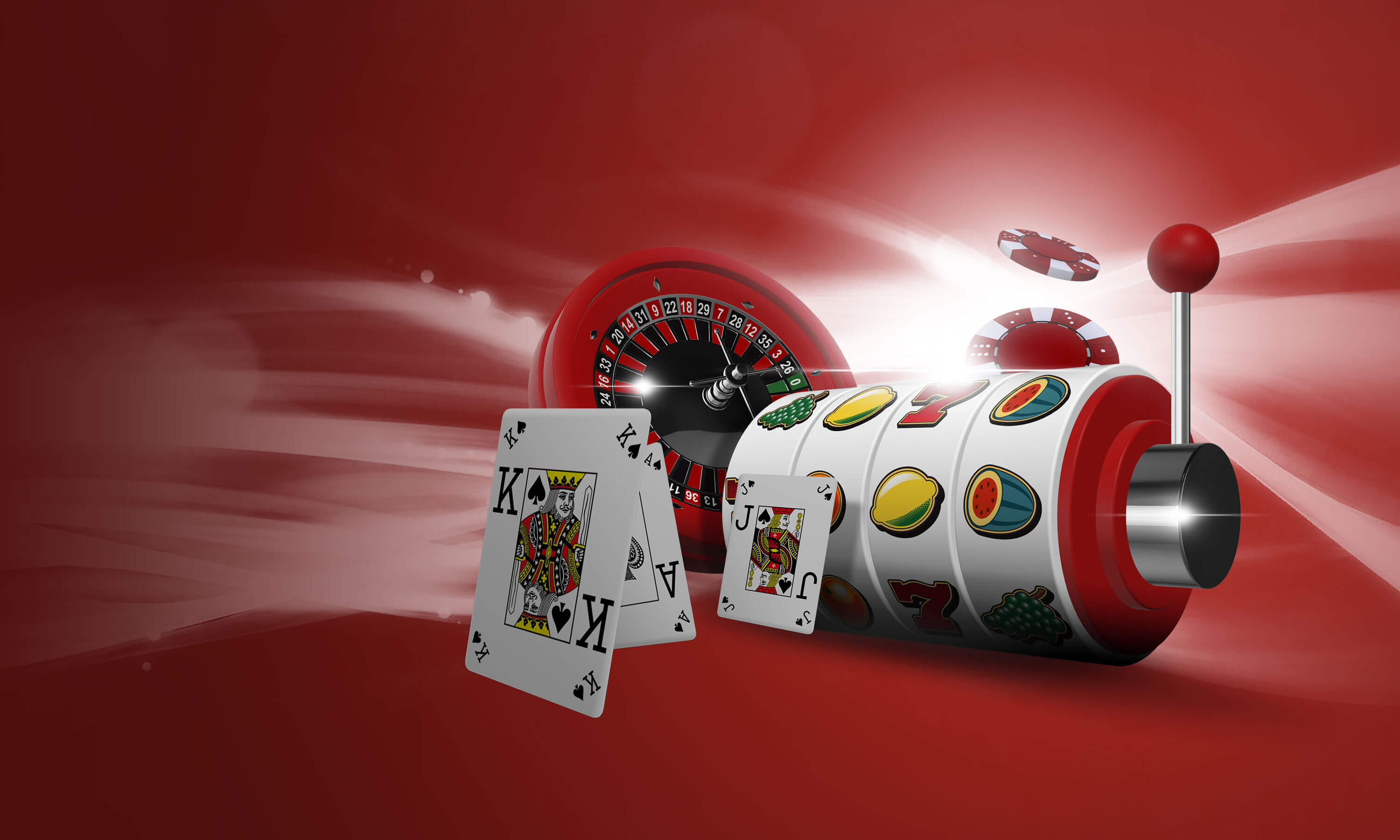



Chasing The Pot: The Scientific Discipline Tickle Behind Every Adventure
Gambling, at its core, is more than just a game of chance it’s a deeply science go through that taps into the most cardinal parts of the human nous. From pull the prise on a slot simple machine to placing a bet on a front-runner team, gamblers are not only pursuing pecuniary gain but also an feeling and neurologic high. The prediction, the suspense, the risk it all forms a science that keeps people sexual climax back for more. This clause delves into the science and psychological science behind why play is so stimulating and, for some, hazardously habit-forming.
The Dopamine Rush: How the Brain Reacts to Gambling
One of the main reasons gambling feels so good is the release of Dopastat, a neurotransmitter associated with pleasure and pay back. Interestingly, explore has shown that the head releases Intropin not only when we win but also during the prevision of victorious. In fact, the”near-miss” phenomenon when a spin or hand comes close to winning is particularly mighty. It triggers a rush of dopamine almost as saturated as a real win, fooling the psyche into believing that succeeder is just around the corner.
This neurological response is what gives play its hook. It s not always the win that matters often, it s the almost. The of placing a bet, touch the tenseness, and getting a near-miss fuels an feeling rollercoaster that mimics the ups and downs of real-life rewards and risks.
The Illusion of Control and Cognitive Biases
Another psychological that makes gambling so engaging is the illusion of control. Many gamblers believe that their actions can influence the result of a game that is inherently random. For example, a player may think that choosing their own drawing numbers pool or using a certain dissipated scheme gives them an edge. This opinion reinforces confidence and fuels further play, even when the odds stay in-situ.
Gambling also exploits cognitive biases like the”gambler s fallacy” the notion that past outcomes regard futurity probabilities. For exemplify, a roulette player might put on that after a long blotch of red, melanize is”due” to come up. These mental shortcuts distort rational number thought process and push players to keep betting despite losings.
Variable Rewards: The Slot Machine Effect
Slot machines are arguably the most psychologically engineered form of gaming. They utilize a construct called variable star ratio reenforcement, where rewards are given unpredictably. This kind of pay back system is the most operational at creating addictive behaviors. It’s the same principle used in mixer media and video games to keep users occupied.
In play, this substance that players are rewarded on an second footing, which creates a powerful sense of prevision and obsession. You never know when the next kitty will hit, so you keep spinning just in case.
Social and Emotional Triggers
Beyond neurochemistry and system of logic, slot gacor also fulfills emotional and sociable needs. Many populate risk to escape stress, loneliness, or economic crisis. Casinos are often studied to be immersive, windowless environments that make time feel supported, offering a temporary break away from reality. Others are drawn to the mixer aspect playing salamander with friends, joining online communities, or celebrating wins together.
For some, play becomes intertwined with personal identity and self-worth. A big win can make a feeling of acquirement or superiority, while losings may be internalized as subjective loser, fueling a harmful of chasing losses.
The Thin Line Between Fun and Addiction
While gaming can be an exciting and harmless form of entertainment for many, it becomes questionable when scientific discipline triggers overrule self-control. Problem gambling affects millions world-wide and is often compared to message dependence. The same brain circuits encumbered in drug dependency get off up during gaming behavior.
Recognizing the monition signs such as chasing losings, hiding gaming habits, or tactual sensation nervous without gambling is necessity. Many countries and organizations now volunteer help through hotlines, guidance, and self-exclusion programs.
Conclusion: Understanding the Thrill to Stay in Control
Gambling offers a intermingle of exhilaration, prevision, and pay back that appeals to both the heart and the head. Understanding the science underpinnings of this tickle can empower individuals to make familiar choices, gambling responsibly, and keep off the untrusty slope into habituation. After all, the real win lies not in the kitty, but in maintaining verify over the game